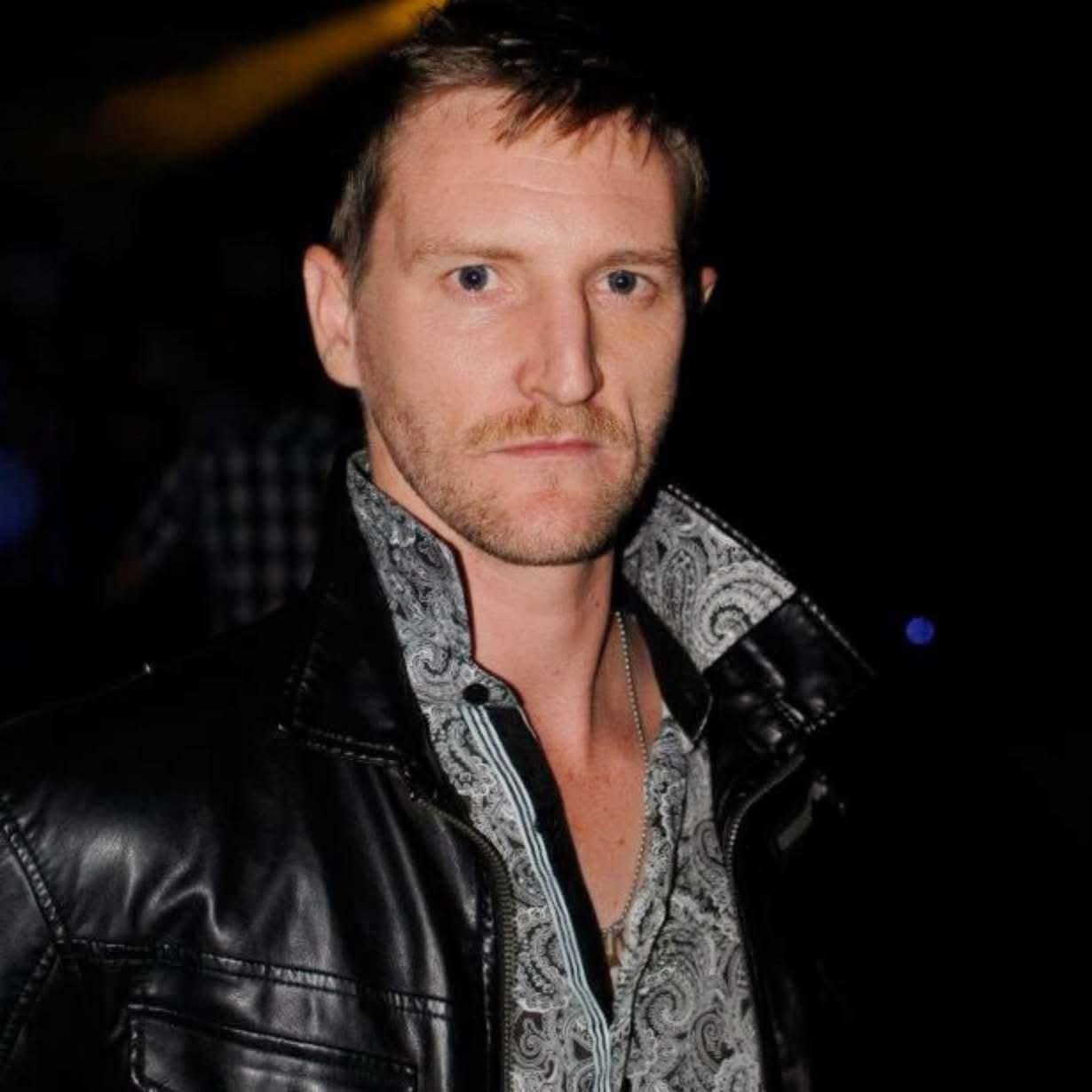
Will Foster-Schmidt I’m a writer working through some of the harder chapters of a life — and choosing to do it in public. Life on a Fault Line launched roughly five months ago as a place to put the writing that didn’t fit anywhere else: too personal for most publications, too necessary to keep private. It has been, from the start, an act of deliberate honesty.

Why I write

I don’t write because I have the answers. I write because the questions are too heavy to carry alone. The newsletter began as grief work — a way to process loss without pretending the loss was manageable. It expanded, almost inevitably, to include the end of my marriage, because those two experiences became entangled in ways that couldn’t be separated on the page any more than they could in life. Music entered the writing because it always enters life at the moments when words fail — and I’m someone who pays attention to what plays when everything else goes quiet. What connects all of it is a commitment to not looking away. The essays are written without the protective distance of time or resolution. I write about what is happening, or what recently happened, from inside the experience rather than from the safety of retrospect. That’s a deliberate choice: I believe readers recognize the difference between writing that has been tidied up and writing that is still alive.

The fault line metaphor

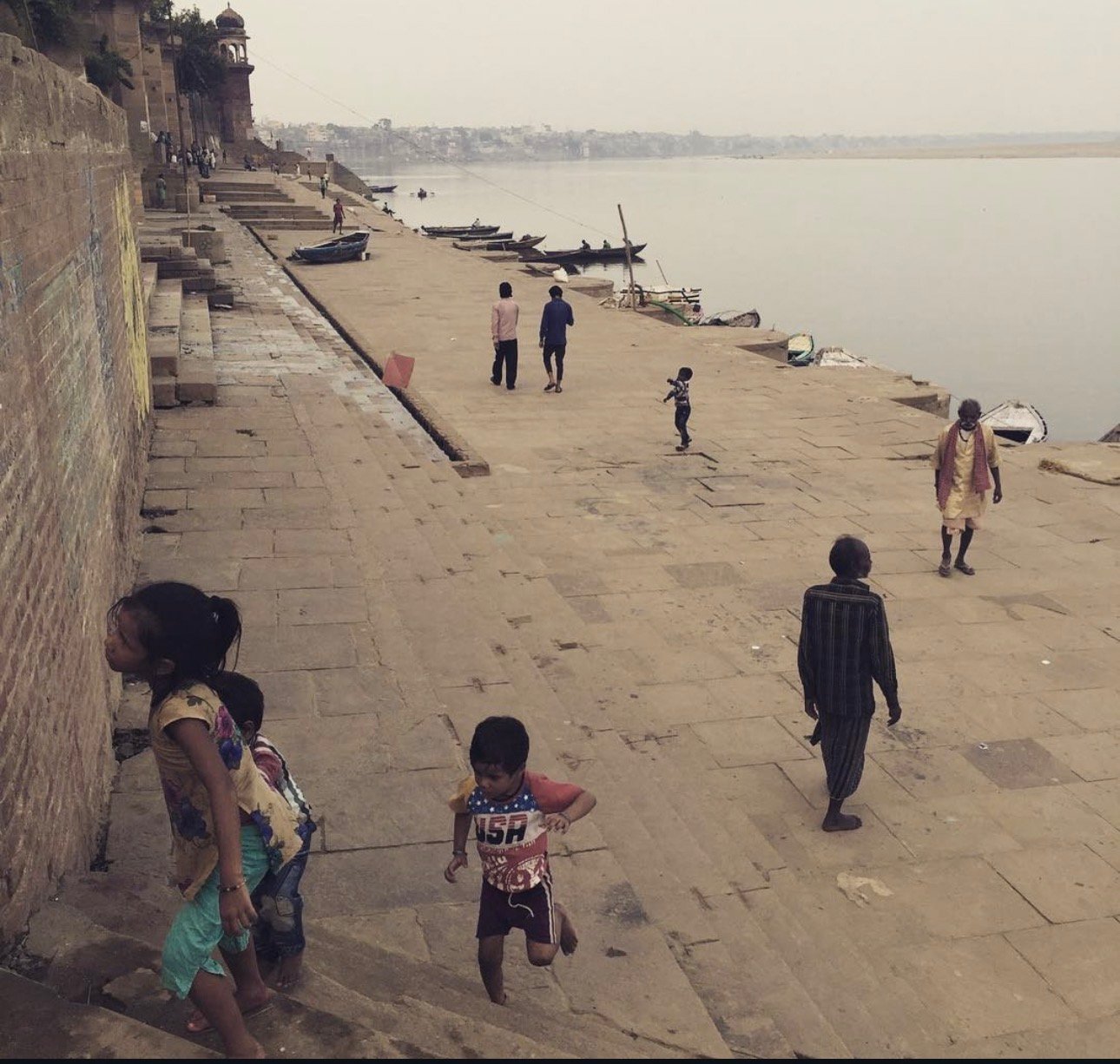
India landscape reflecting on water A fault line is a fracture in the earth where two plates meet under pressure. The surface above can look stable for a long time — until it doesn’t. Then everything shifts, sometimes violently, and the landscape is never quite the same afterward. I chose this image because it describes something true about the kind of change I’m writing through. The instability wasn’t sudden in the way an earthquake is sudden — it was the slow accumulation of pressure along a line that had always been there. And living on a fault line doesn’t mean living in constant crisis. It means knowing that the ground beneath you has shifted, that it may shift again, and learning to inhabit that uncertainty without pretending it isn’t real. The name is also an invitation to anyone who recognizes that feeling. Most lives have a fault line somewhere. Most people know what it is to stand on ground they no longer fully trust.
If this writing is finding you at the right time, subscribing is the simplest way to stay close to it. New essays are delivered free to your inbox — no account required beyond an email address. Subscribe on Substack

Connect with me

I read every reply and note that comes through Substack. If an essay moves you, disagrees with you, or reminds you of something you’ve been trying to name — I want to hear it. The best place to reach me and to follow the work as it develops is directly on Substack at lifeonafaultline.substack.com. You can also find me on Facebook, Instagram, or reach me directly on WhatsApp.